Credits
WRITERS
Songwriters and producer-writers credited across the Drake catalog — from topline melody to beat-as-composition. 20 writers in this index, including the figures at the center of the 2015 reference-track controversy. Every authorship claim is reported, not litigated.
Top Writers
15+ credits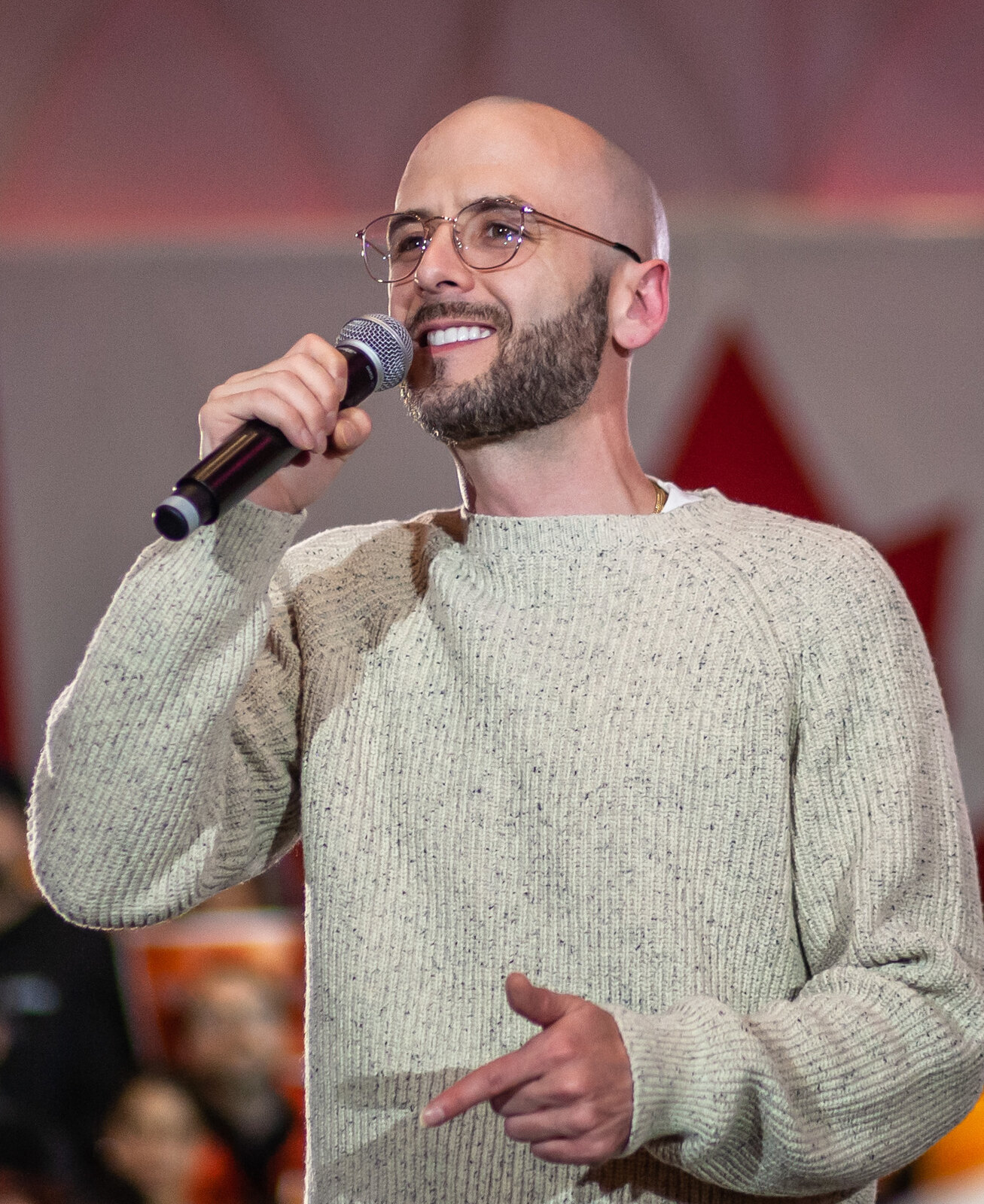
Noah Shebib, professionally known as 40, is best understood as Drake's primary creative collaborator — a producer and engineer first, but a constant writing partner in the production-as-composition sense that defines modern rap credits. 40 met Drake in Toronto in the mid-2000s through the city's music community and helmed major portions of So Far Gone in 2009, then became the in-house architect from Thank Me Later onward. His co-writing credits surface across the catalog because the half-speed drum programming, pitched-down vocal beds, submerged low end, and long reverbs he prints on a track are the song's compositional DNA, not just its mix. He is listed on the publishing splits for Marvins Room, Take Care, Hold On We're Going Home, Hotline Bling, Headlines, and large stretches of Scorpion, Certified Lover Boy, and Honestly Nevermind. He co-founded OVO Sound with Drake and Oliver El-Khatib in 2012 and serves as executive producer across every Drake studio album. Beyond Drake he has produced and co-written for Alicia Keys, Jamie Foxx, PARTYNEXTDOOR, dvsn, and others in the OVO orbit. He has spoken publicly about living with multiple sclerosis and the way it shapes his studio process, including extended periods of remote engineering. Within this encyclopedia he is a writer in the way most modern producer-writers are — credited on the underlying composition because the beat and the song are no longer separable.
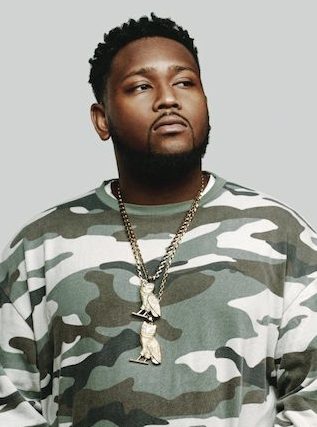
Boi-1da — Matthew Samuels — is a Jamaican-born, Toronto-raised producer whose name appears on the publishing splits of more Drake records than almost any non-Drake writer in the catalog. The writing credits flow from the way modern rap copyright treats a beat: the composition the producer authors is the composition the rapper writes over, so the producer's name is on the song. Boi-1da's drum patterns and sample selections power "Best I Ever Had," "Forever," "Headlines," "Started From the Bottom," "0 to 100 / The Catch Up," "Energy," "Know Yourself," "Nonstop," "Money in the Grave," "Laugh Now Cry Later," "Wants and Needs," and many more. He came up in the Toronto mixtape scene in the late 2000s and connected with Drake through the same regional network that produced 40. Outside Drake he has co-written and produced for Eminem, Kendrick Lamar, Rihanna, Nicki Minaj, J. Cole, and Cardi B, picking up multiple Grammy nominations including Producer of the Year. Within the OVO production circle he frequently co-writes alongside Vinylz, Allen Ritter, T-Minus, and 40. He also runs his own production camps that have surfaced contributors to the Drake catalog. As a writer in the producer-as-composer sense, Boi-1da remains one of the few names credited across nearly every Drake project from So Far Gone through the present ICEMAN era.
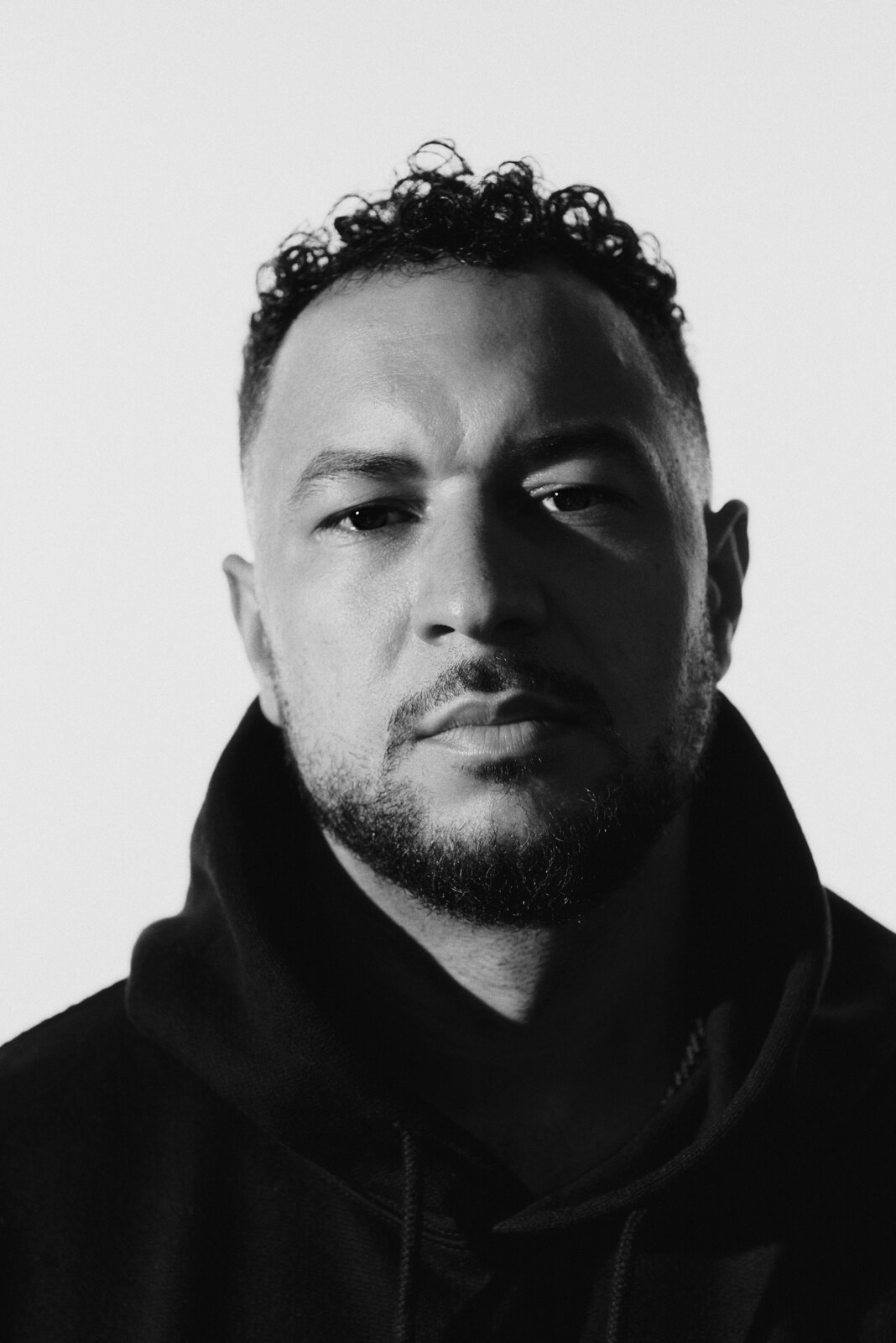
T-Minus — Tyler Williams — is a Brampton, Ontario producer who has been one of Drake's most consistent melodic-rap writing partners since the early Take Care era. He first connected with Drake through Toronto industry channels around the Thank Me Later period and has placed beats and writing credits on Take Care, Nothing Was the Same, If You're Reading This It's Too Late, Views, More Life, Scorpion, and Certified Lover Boy. Signature contributions include "HYFR," "The Motto," "0 to 100 / The Catch Up," "U with Me?," and major Views and CLB cuts — several of which charted in the global top ten. His writing tends toward bright pluck melodies, crisp 808 patterns, and song forms that leave wide pockets for Drake's cadence to drive the track. Beyond Drake he has co-produced and co-written hits for Nicki Minaj, Lil Wayne, Kendrick Lamar, Travis Scott, and DJ Khaled, and he is a frequent OVO collaborator with Boi-1da and Vinylz on multi-writer credits. T-Minus operates more quietly than some peers, rarely fronting public personas, but his name shows up on a strikingly high share of the catalog's biggest singles, which makes him one of the load-bearing writers behind Drake's pop-rap era.
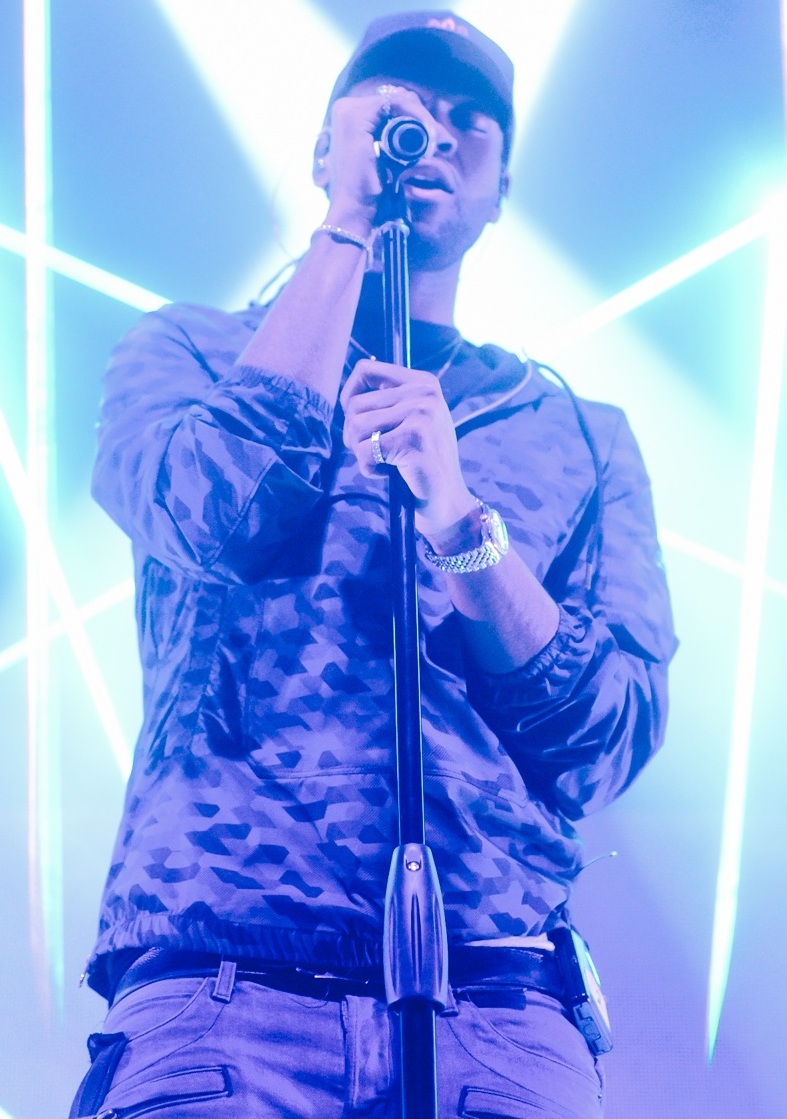
PARTYNEXTDOOR — Jahron Brathwaite — is the recording name of the first artist signed to OVO Sound in 2013 and a writer whose toplines and melodic phrases have shaped Drake records since Nothing Was the Same. He arrived in the OVO orbit as a singer-songwriter from Mississauga, Ontario whose self-titled mixtape circulated through Toronto industry channels before the OVO signing made the relationship formal. His writing credits on Drake records start with "Own It" and "Come Thru," continue across Views (where his hand is felt in the melodic R&B cuts), More Life, Scorpion, Honestly Nevermind, and culminate in the 2025 collaborative album Some Sexy Songs 4 U, which formalized more than a decade of behind-the-scenes co-writing into a billed joint project. As a topline writer he is best known for the bridge and pre-chorus phrasing he routinely passes to Drake before the lead vocal is cut. Outside Drake he has written hit toplines for Rihanna ("Work," "Wild Thoughts"), Beyoncé ("Bigger"), and several OVO roster releases. His own solo catalog — the PARTYNEXTDOOR series, Colours, PartyMobile — anchors a moody, slow-tempo R&B aesthetic that has informed Drake's pivot toward sung verses since 2013. Among modern OVO writers he is the longest-tenured topline collaborator in Drake's working circle, and the 2025 joint album marked the public acknowledgement of that role.
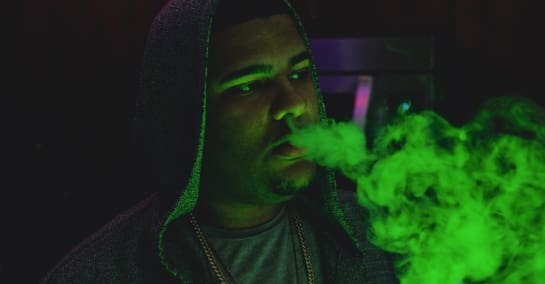
Vinylz — Anderson Hernandez — is a New York producer of Dominican descent whose writing credits sit on a striking share of Drake's late-2010s commercial peak. He came into the OVO orbit in the run-up to If You're Reading This It's Too Late and contributed to "Energy," "Know Yourself," "6 God," and the broader 2015 stretch that defined the tape. From there his name continued onto "One Dance," "Hotline Bling," "God's Plan," "Nice for What," and "In My Feelings" — a run of singles that charted globally and won Grammys. His writing tends toward sharp, syncopated hi-hat patterns and trap-leaning low end, almost always paired with melodic samples flipped by collaborators like Allen Ritter or Boi-1da. The bulk of his Drake work is filed under multi-writer publishing splits rather than solo, which is consistent with the modern Drake credit ledger where most album cuts list three to five contributors. Outside Drake he has co-written for Future, Travis Scott, Big Sean, Action Bronson, ASAP Ferg, Jay-Z, and DJ Khaled, and is a co-founder of the production collective Cult Classics. His name appears on the credits of multiple number-one singles in the Drake catalog, a rare distinction even among the top-tier OVO in-house writers.
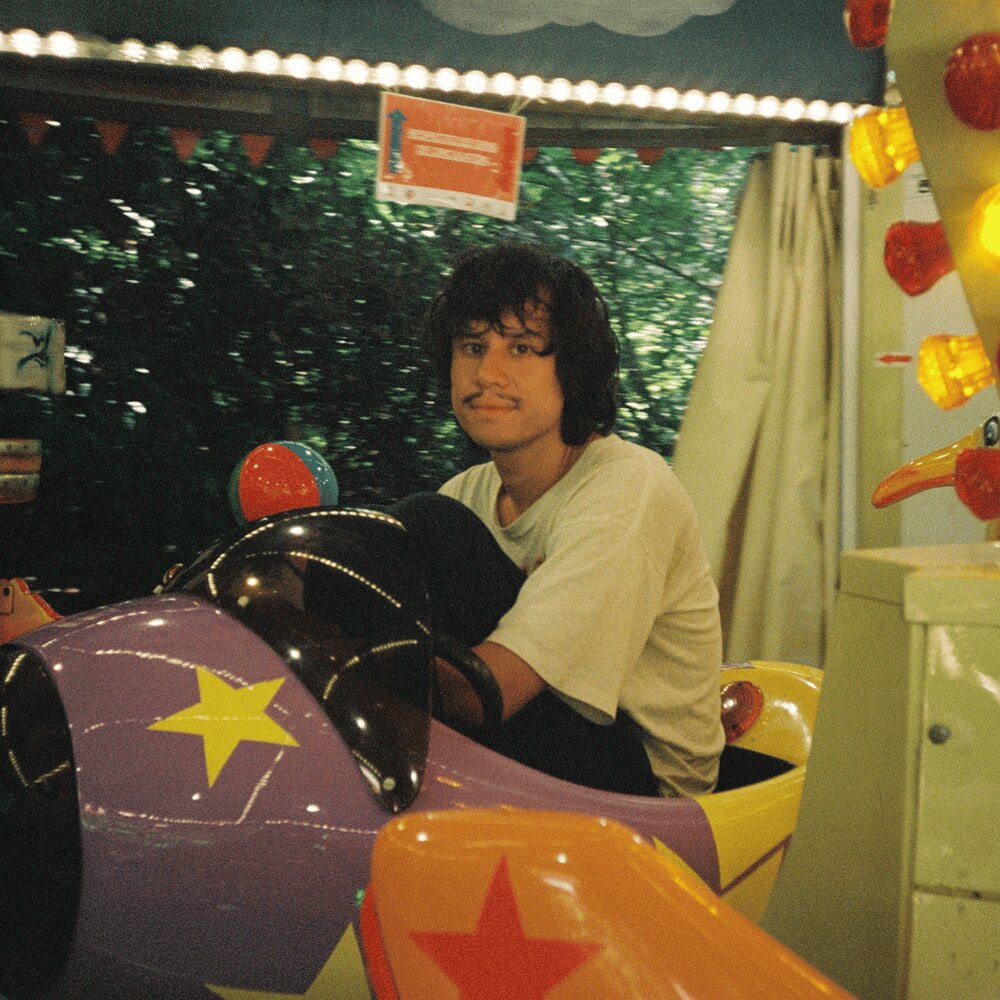
Frank Dukes — Adam Feeney — is a Toronto producer-songwriter who, over the 2010s and 2020s, has become one of the most influential behind-the-scenes figures in mainstream pop and rap. He co-produced and co-wrote on "Hotline Bling," "One Dance," "U with Me?," "Sandra's Rose," "Glow," and many other Drake cuts; his fingerprints appear across multi-producer credit lists on Views, More Life, Scorpion, Certified Lover Boy, and beyond. As a songwriter his catalog reaches well past the OVO orbit — he is credited on Camila Cabello's "Havana," Lorde's "Solar Power," multiple Post Malone records, Travis Scott's Astroworld and Utopia projects, and Frank Ocean cuts. He also runs Kingsway Music Library, a sample library that has quietly become a key resource for modern hip-hop production. Within the Drake catalog his role is often part-producer, part-songwriter: he contributes chord progressions, melodic ideas, and sample-flip foundations as much as drum programming, which is why his name shows up on the publishing splits rather than only the production credits. His Toronto roots and central role in the global pop machine make him one of the most quietly important writers connected to the OVO orbit and to Drake's catalog specifically.
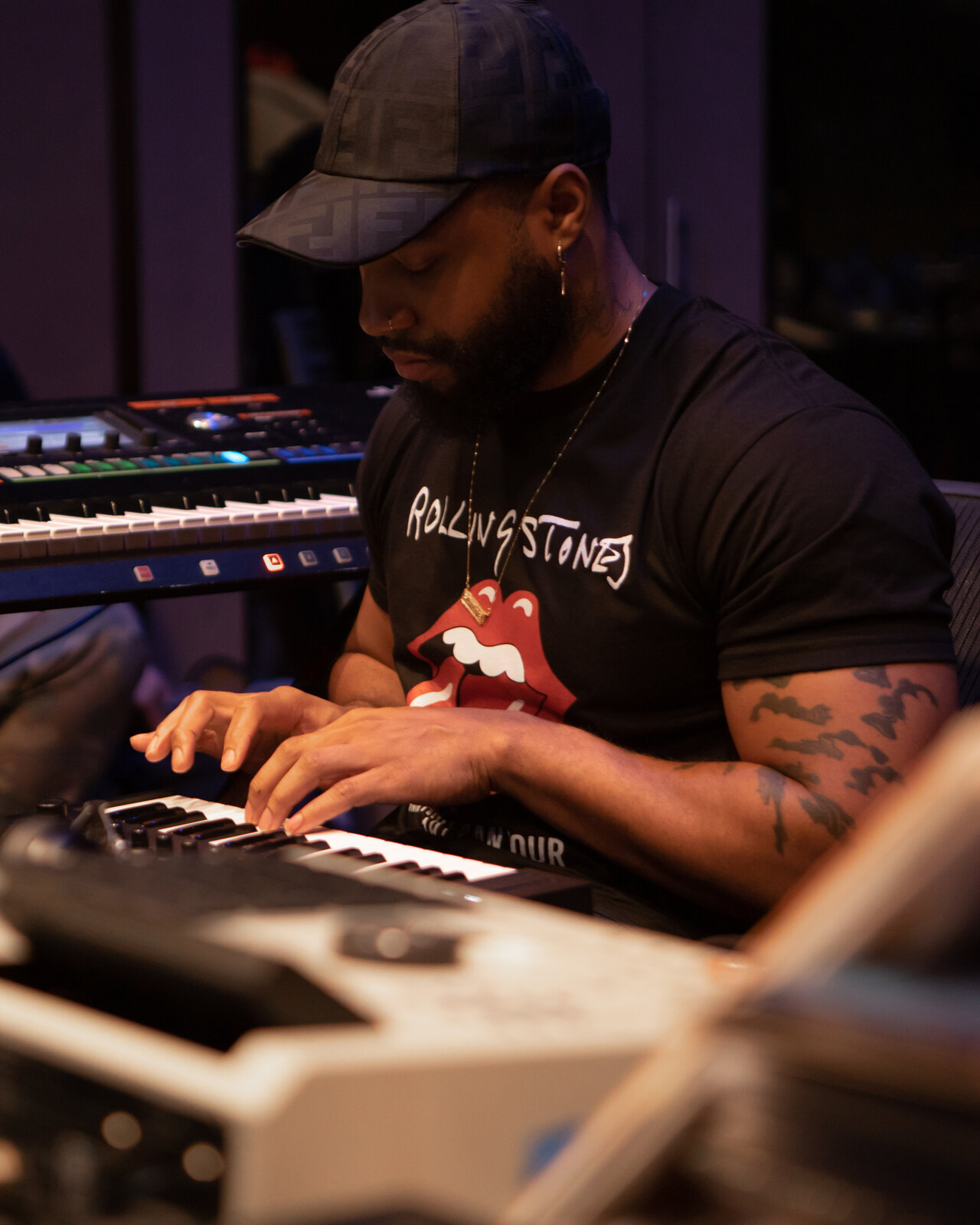
Allen Ritter is a New York producer, keyboardist, and songwriter whose melodic contributions often function as the harmonic backbone of multi-writer Drake credits. He entered the OVO orbit in the mid-2010s and is best known for keyboard parts and chord changes that sit under sample flips authored by Boi-1da, Vinylz, or Frank Dukes. His name shows up on publishing splits across the If You're Reading This It's Too Late, Views, More Life, Scorpion, and Certified Lover Boy eras. Outside the Drake catalog his most defining co-write is Rihanna's "Needed Me" (2016), which became one of the era's most-streamed R&B records; he has also co-written for Beyoncé, Kanye West, Travis Scott, Jay-Z, and Future. His approach favors live keys, chord-based vamps, and atmospheric pads that give programmed drum tracks a more song-like architecture, and within the OVO production circle he often plays the role of the melodic foil to harder-hitting drum programmers. Like most modern Drake co-writers his credits sit inside multi-writer splits — his slice of the composition is the chord change or the pad bed rather than the whole song — but the cumulative footprint across more than fifteen Drake songs places him in the tier of writers without whom the late-2010s catalog would not sound the way it does.
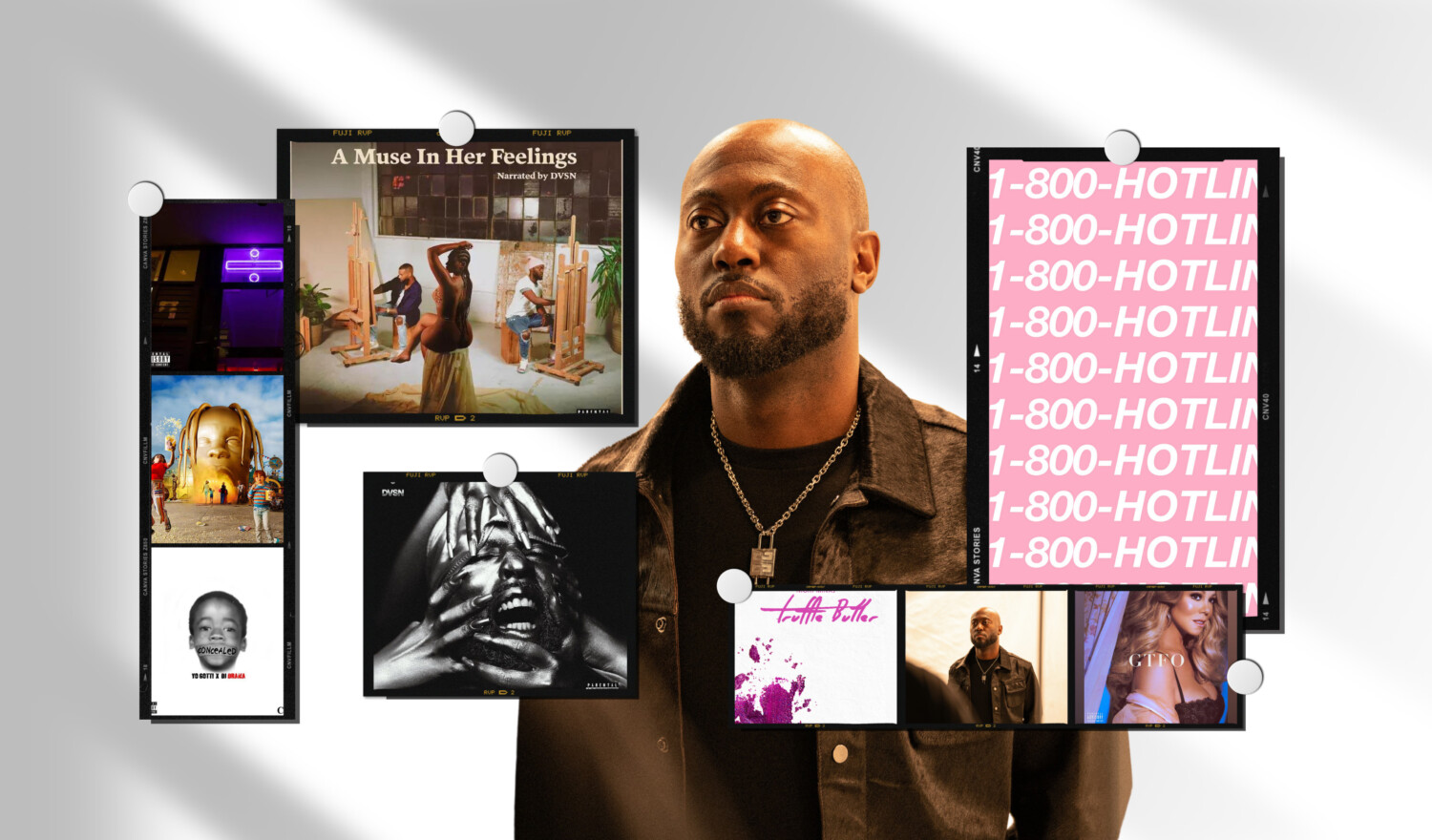
Nineteen85 — Paul Jefferies — is the Toronto producer-writer behind some of Drake's clearest pop pivots. His name is on the publishing credits for "Hold On, We're Going Home" (the 2013 Nothing Was the Same crossover ballad), "Hotline Bling" (the 2015 single that built off the Timmy Thomas "Why Can't We Live Together" rhythm), "One Dance" (the 2016 Wizkid/Kyla collaboration that became Drake's first solo Hot 100 No. 1), "Too Good," and "Controlla." Each of those records was a moment where the Drake catalog moved closer to adult-contemporary R&B and Caribbean-inflected pop, and Nineteen85's writing favors clean drum machines, warm synth pads, and song forms that read closer to pop than to traditional rap. He is also one half of the OVO duo dvsn alongside vocalist Daniel Daley, and the dvsn body of slow R&B work informs much of his Drake credit list. Outside the catalog he has co-written for Nicki Minaj, Jamie Foxx, Majid Jordan, and Roy Woods, several of whom share the OVO Sound roster. His peak run on Drake records coincided with Views and More Life, when the project was actively expanding into Afrobeats, dancehall, and house. He remains an OVO Sound staple and one of the label's most consistent pop-leaning writers.
All Writers
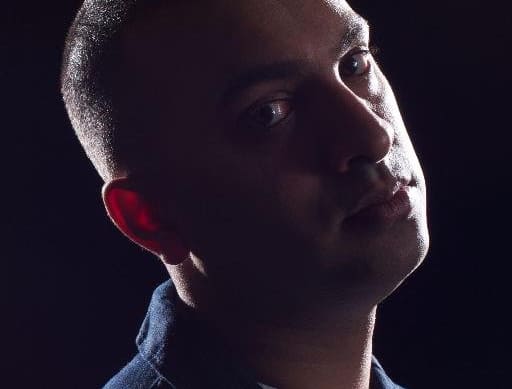
Maneesh — Maneesh Bidaye — is a Toronto producer-writer who has worked extensively within the OVO and broader Toronto rap orbit. He came up through the same regional scene that produced Boi-1da and 40, and his name appears across multi-writer publishing credits on Drake projects from the mid-2010s onward. His writing tends toward melodic loops, layered keyboards, and clean drum programming that fits naturally alongside the OVO house style. Outside Drake he has co-written and produced for Tory Lanez, NAV, and other Toronto-affiliated artists, plus a range of US rappers who pass through the city's production camps. His Drake credits are typically as part of larger production teams rather than as a solo writer, which is consistent with the modern Drake credit ledger where most album cuts list three to five contributors. The pattern reflects how the OVO production network in Toronto absorbed a generation of producer-writers in the late 2010s, with Maneesh among the most reliably placed of that cohort. His footprint is the kind that doesn't headline credit lists but recurs steadily across the catalog from Views through For All the Dogs.
Cardo — Ronald LaTour — is a Portland-raised, Pittsburgh-based producer and writer most associated with the West Coast rap revival of the early 2010s. He came up working closely with Wiz Khalifa and Curren$y and expanded into national rap production from there. His writing favors hazy soul samples, dusty drum programming, and a g-funk-adjacent low end that gives many of his records a deliberately nostalgic quality. Within the Drake catalog his credits surface on cuts that lean into that smokey, mid-tempo template — multi-writer publishing splits rather than solo credits, which reflects the modern committee-style writing model. He is a frequent collaborator with Boi-1da, Vinylz, and others in the OVO production circle. Beyond Drake he has co-written for Travis Scott, Kendrick Lamar, ASAP Rocky, Jay-Z, Pusha T, and many others. His name is on the credits for BlocBoy JB's "Look Alive" featuring Drake (2018) and is among the writers associated with the late-2010s Drake run that intersected with Memphis and West Coast production camps. Like most modern Drake co-writers his contributions tend to be slices — a loop, a melodic idea, a drum pattern — rather than the whole song.
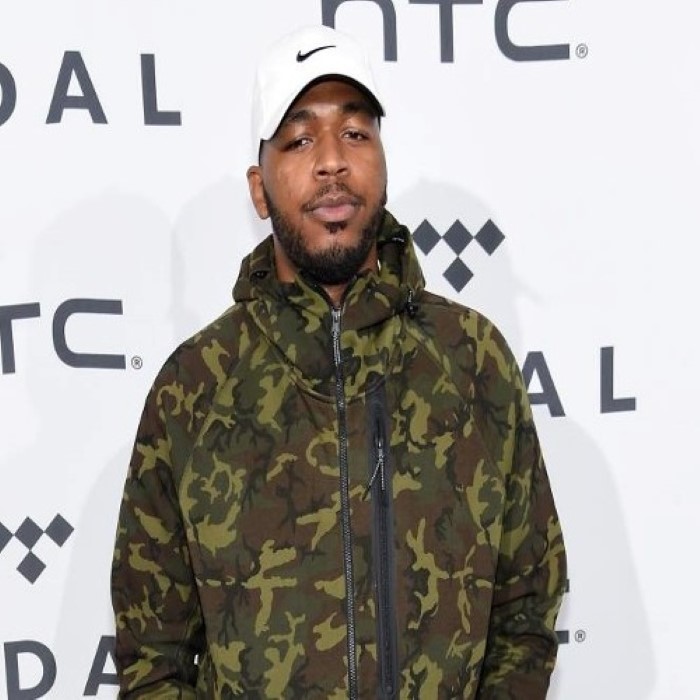
Quentin Miller is an Atlanta-based rapper and songwriter who became the most-discussed figure of the 2015 reference-track controversy that surrounded Drake's If You're Reading This It's Too Late mixtape. Miller had been working inside the OVO orbit through Meek Mill's Dreamchasers camp earlier in the decade, and reference recordings of his vocals over beats that later appeared as Drake songs were leaked online in July 2015. Meek Mill publicly framed the leaks as evidence of ghostwriting on a series of tweets that triggered the months-long Drake/Meek exchange. Miller himself responded on Tumblr with a long open letter that rejected the word "ghostwriter" and characterized his contributions as co-writing — a creative collaboration he said he was proud of and not embarrassed by. He also stated he had never met Drake in person despite the working relationship, which deepened the public fascination with how modern rap credits are assembled. The Drake camp's response was to release "Charged Up" and "Back to Back," while Miller's name was added to writing credits on tracks that had previously listed Drake alone. Outside the Drake universe Miller has released his own projects (Q4, From a Distance, Gemini) and continued to write and record in Atlanta. His public profile remains closely tied to a single 2015 news cycle, but his stated framing — that he co-wrote rather than ghost-wrote — is the version of the story he has held to in subsequent interviews. Within any responsible Drake encyclopedia he sits at the center of an authorship question the project does not try to resolve.
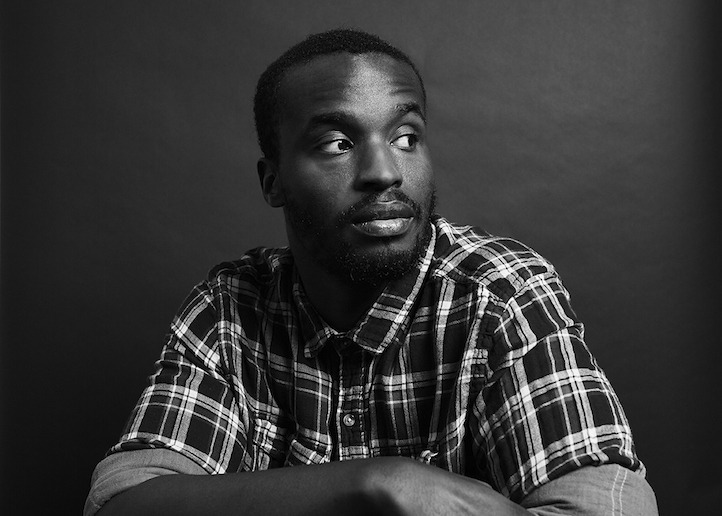
DJ Dahi — Dacoury Natche — is a Los Angeles producer-writer whose credits on the Drake catalog are anchored by "Worst Behavior" from Nothing Was the Same, with additional multi-writer placements on later projects. His broader writing body is closely associated with Kendrick Lamar ("Money Trees," "LUST."), SZA, Travis Scott, and Big Sean, and his style is hard to pin to a single template — it ranges from sample-flipped boom-bap to atmospheric West Coast records to forward-leaning R&B. The "Worst Behavior" credit places him on one of the most aesthetically distinct cuts on Nothing Was the Same: the track flips the energy of Mase's 1997 Bad Boy posse work into a Drake homecoming-flex centerpiece, with Dahi's beat carrying the structural debt rather than a direct interpolation. He is a member of the Digi+Phonics production crew alongside Sounwave and continues to be one of the most respected mid-career writers in mainstream rap. His career sits at the intersection of Kendrick Lamar's catalog and Drake's, which has become a notable detail of the post-2024 landscape, though his writing credits across both projects predate the public exchange between the two artists.
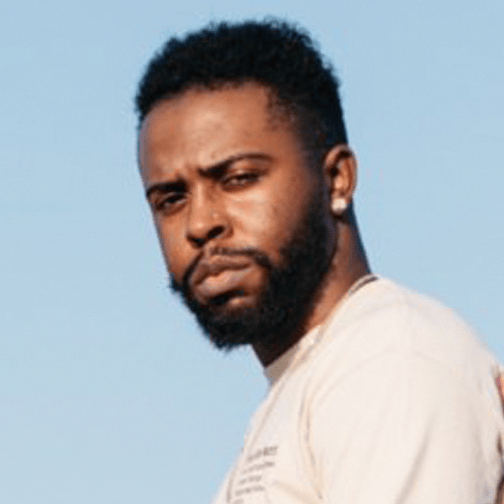
Sevn Thomas is a Toronto producer-writer who first entered the Drake orbit through Rihanna's "Work" (2016) — a record on which Drake appears as the featured artist and which Thomas co-produced and co-wrote alongside Boi-1da, PARTYNEXTDOOR, and others. The "Work" credit anchors his footprint near the Drake catalog: he has since contributed multi-writer publishing credits on Drake projects across the mid-2010s and later projects. His writing favors dancehall-leaning percussion, syncopated programmed drums, and warm harmonic beds that fit naturally next to OVO's mid-2010s pivot toward Caribbean rhythm. Outside Drake he has worked with Rihanna, Travis Scott, Bryson Tiller, and other artists across rap and R&B. As a Toronto producer-writer he sits within the broader regional network alongside Boi-1da, T-Minus, and 40, and his career arc is another example of the city's outsized footprint in 2010s mainstream rap and R&B. His credits illustrate the way OVO-adjacent writers move between artists in the Drake circle — a credit on a Rihanna single becomes a credit on a Drake song, becomes a credit on a Bryson Tiller cut — without ever leaving the Toronto-Atlanta-New York production circuit.
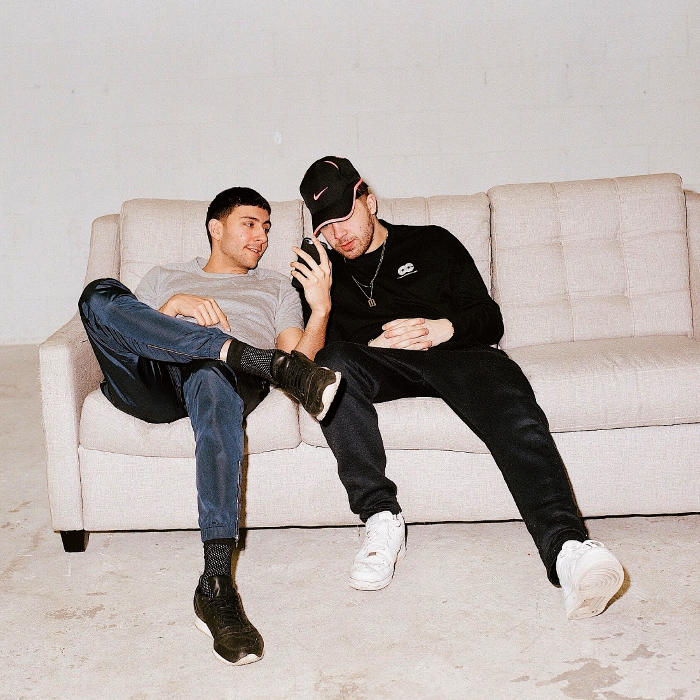
Majid Al Maskati is the Bahrain-born vocalist of Majid Jordan, the OVO Sound R&B duo signed to the label in 2013. He is credited as a co-writer on "Hold On, We're Going Home" (2013) alongside his Majid Jordan partner Jordan Ullman, Nineteen85, and Drake — the breakthrough Nothing Was the Same single that pushed Drake's catalog firmly into adult-contemporary R&B territory. The credit on "Hold On" predates Majid Jordan's own debut releases and is the song that effectively introduced both Majid and Jordan Ullman to the public as OVO writers. Beyond that single his Drake-adjacent footprint sits inside the Majid Jordan project itself — the duo's three studio albums (Majid Jordan, The Space Between, Wildest Dreams) live entirely inside the OVO Sound house style, with 40 and Drake credited on multiple tracks. His writing tends toward warm synth pads, slow-tempo programmed drums, and falsetto toplines that match the broader Toronto R&B aesthetic. Within an encyclopedia of Drake writers he and Jordan Ullman should be read together — Majid Jordan is one writing credit functionally — and the partnership has been a quiet anchor of the OVO Sound R&B catalog for more than a decade.
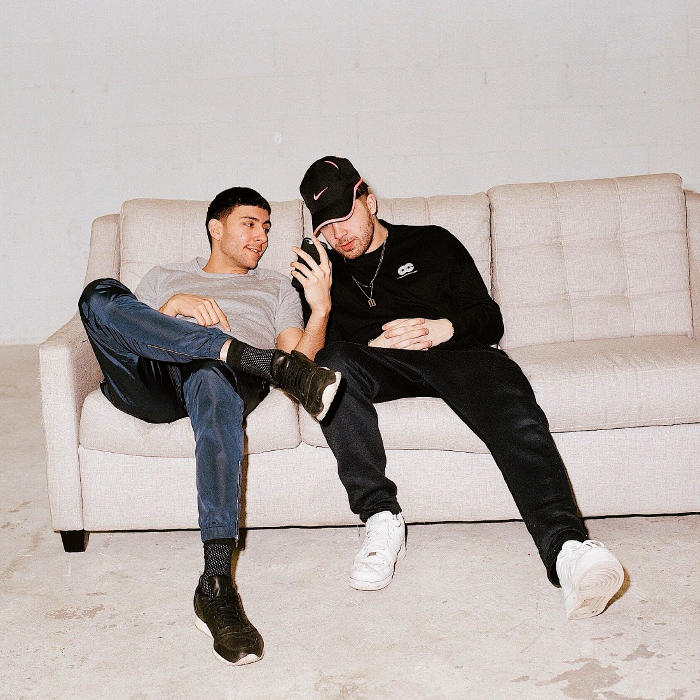
Jordan Ullman is the Toronto-born producer half of Majid Jordan, the OVO Sound R&B duo signed to the label in 2013. He is credited as a co-writer and co-producer on "Hold On, We're Going Home" (2013) alongside his Majid Jordan partner Majid Al Maskati, Nineteen85, and Drake. The "Hold On" credit is the moment Majid Jordan's writing language entered the Drake catalog — warm synth pads, slow-tempo programmed drums, and song forms closer to early-1980s soft pop than to traditional rap — and Ullman has continued to shape the OVO Sound house style across the duo's three studio albums and a steady run of features. His production work tends toward analog-feeling synth chords, restrained drum programming, and arrangements that prioritize space over density. Outside Majid Jordan his name surfaces on multi-writer credits on a handful of Drake-adjacent projects from the mid-2010s. Within an encyclopedia of Drake writers, Ullman represents the producer-as-songwriter wave that the OVO Sound roster institutionalized: a writer whose compositional contribution is the chord progression and the texture, not the topline lyric, and whose name nonetheless sits on the publishing splits because the modern definition of a song includes both.
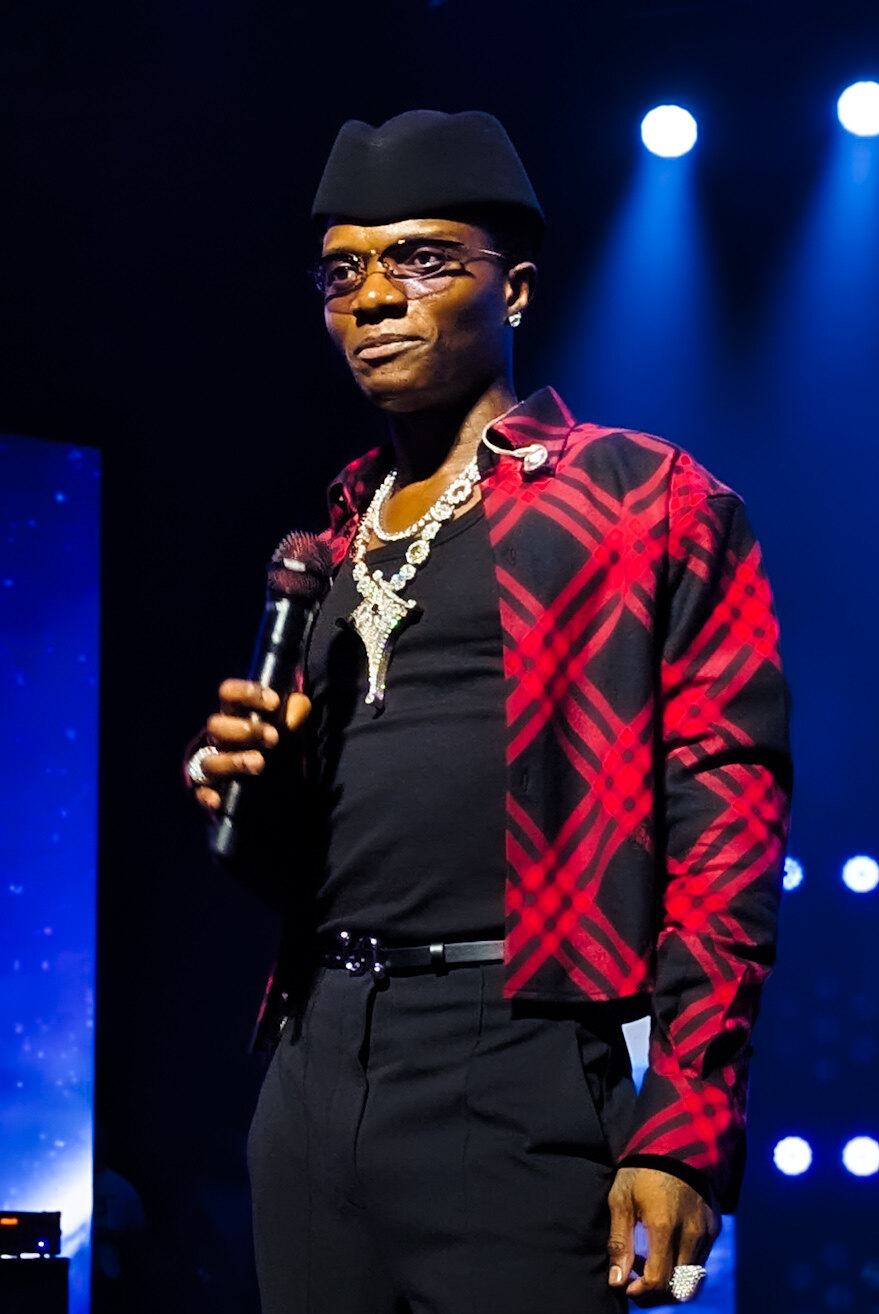
Wizkid — Ayodeji Balogun — is the Lagos-born Afrobeats artist and songwriter whose featured vocal and co-writing on "One Dance" (2016) made him a named credit on what became Drake's first solo Billboard Hot 100 No. 1. The track was built by Nineteen85 and 40 around Kyla's "Do You Mind" hook, but Wizkid's verse and his Afrobeats-cadence delivery are part of why the record reads as a global pivot rather than a Toronto record with a hook sample. He was already a major Nigerian star at the time of "One Dance" — Pioneer of the modern Afrobeats wave through his Star Boy era — and the Drake collaboration accelerated his international visibility, with subsequent placements on "Come Closer" from More Life. Outside the Drake catalog his writing has anchored his own multi-platinum projects (Made in Lagos, More Love Less Ego) and shaped the broader Afrobeats-pop interface that artists like Burna Boy and Tems would push further. His Drake co-writes are limited in number but oversized in cultural footprint: "One Dance" is the song that announced Drake's Afro-Caribbean pivot to a global audience and remains one of the most-streamed songs in the catalog.
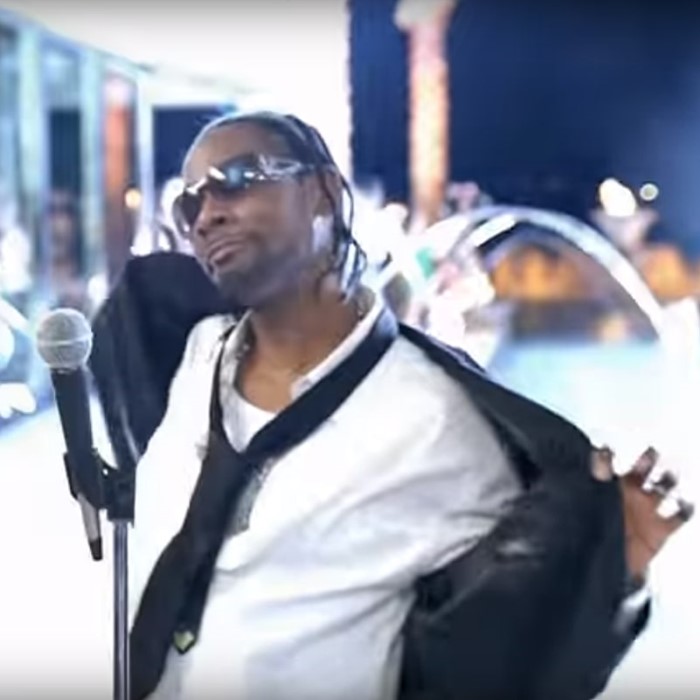
Static Major — Stephen Garrett — was a Louisville, Kentucky songwriter and member of the R&B group Playa, best known for writing some of the defining late-1990s and 2000s R&B records: Aaliyah's "Try Again" and "Are You That Somebody?," Ginuwine's "Pony," Lil Wayne's "Lollipop" (which became a No. 1 single after his death in 2008), and many others alongside producer Timbaland and the Da Bassment collective. He died in February 2008 at age thirty-three from complications related to myasthenia gravis. His connection to the Drake catalog is posthumous — his compositions and vocal performances appear via samples and interpolations on Drake-adjacent projects rather than via new co-writing sessions. The "Lollipop" credit in particular ties him to Drake's Young Money era; the Lil Wayne record was a defining 2008 moment that overlapped with Drake's pre-fame rise. Within an encyclopedia of Drake writers, Static Major represents the previous generation of R&B topline writers whose compositional language — melodic, conversational, hook-first — informs the modern OVO writing style even where his name does not appear on the Drake publishing splits directly.

Kyla Reid is a London-based UK funky vocalist and songwriter whose 2008 single "Do You Mind" — a Crazy Cousinz production riding a syncopated soca-leaning drum pattern and a bright, plaintive vocal hook — became the sampled and credited core of Drake's "One Dance" (2016). She is credited as a featured artist on "One Dance" because her vocal hook is lifted intact rather than re-sung, with Wizkid's verse and a new dancehall-inflected riddim built underneath. The result became Drake's first solo Billboard Hot 100 No. 1 and the most-streamed song in Spotify history at the time of release. Kyla's UK funky moment in the late 2000s was already historically significant — it bridged grime, soca, and house in London circa 2008-09 — and the Drake credit recontextualized her catalog for a global audience without her having to leave the original recording. Within an encyclopedia of Drake writers she represents a particular kind of credit: the topline whose entire compositional contribution is a hook from an earlier record, licensed and credited rather than re-written, and the credit she earns on the Drake song is not a session credit but the publishing recognition for the lifted hook.
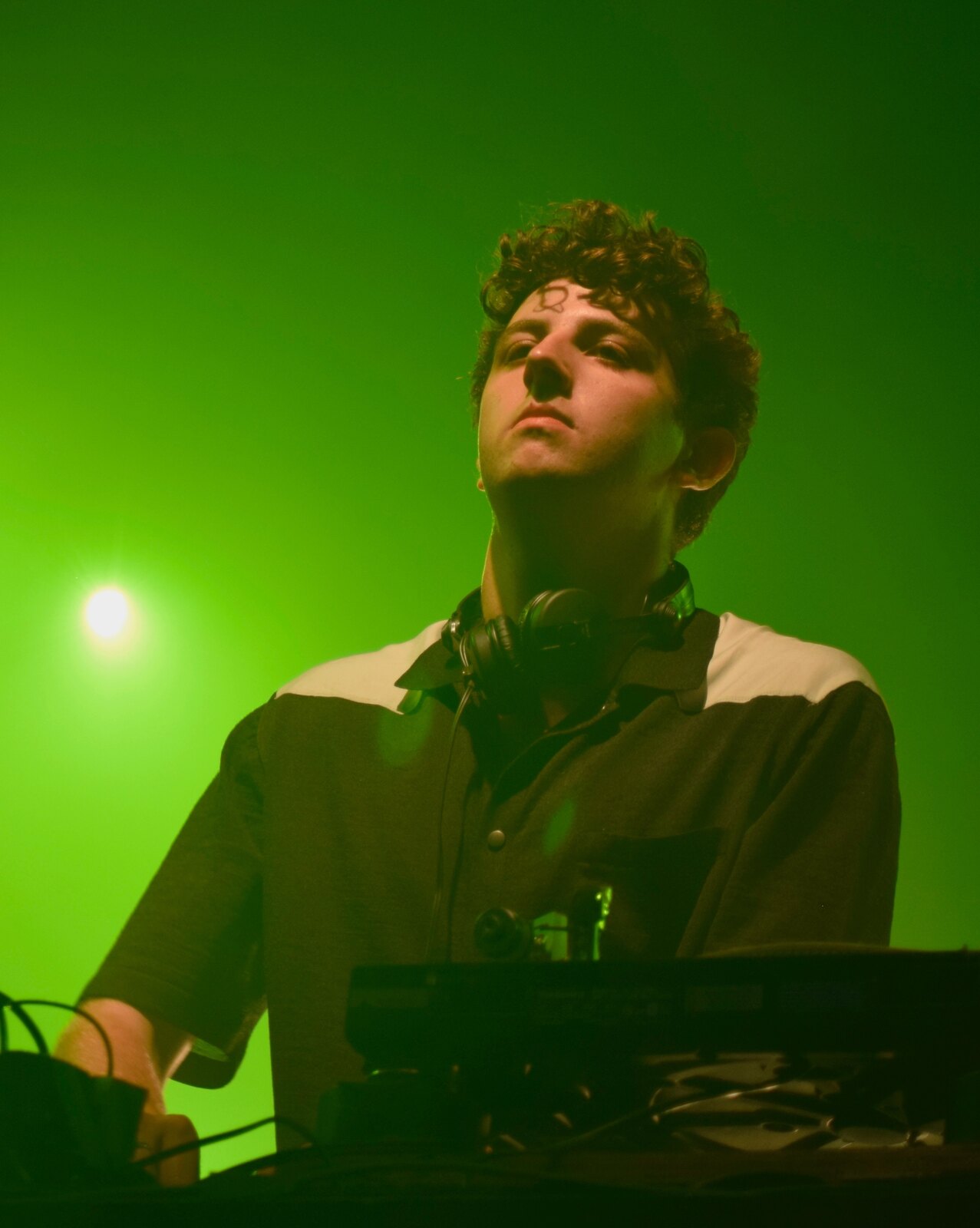
Jamie xx — James Smith — is the London producer best known as a member of The xx and for his solo work in UK bass and post-dubstep. His 2011 reworking of Gil Scott-Heron's "I'll Take Care of You" — itself a cover of Bobby Bland's 1959 original — became the licensed sample and credited compositional core of Drake's "Take Care" (2011), the title track of the album that defined the Toronto sound for a decade. Drake and Noah "40" Shebib licensed the Jamie xx edit wholesale and added Rihanna's lead vocal on top, slowing the tempo and rebalancing the low end; the writing credit Jamie xx earns is recognition that the harmonic and rhythmic bed of the song is his arrangement rather than a new composition built underneath. He is not a Drake collaborator in the recurring sense — his Drake credit list is essentially this single record — but the "Take Care" placement is one of the most consequential single-record co-writes in the catalog. Outside Drake his solo album In Colour (2015) and his work with The xx have made him one of the most influential UK producers of his generation, and the cross-Atlantic licensing arrangement on "Take Care" remains the clearest example of how a UK producer's edit can become a defining American rap-R&B record.
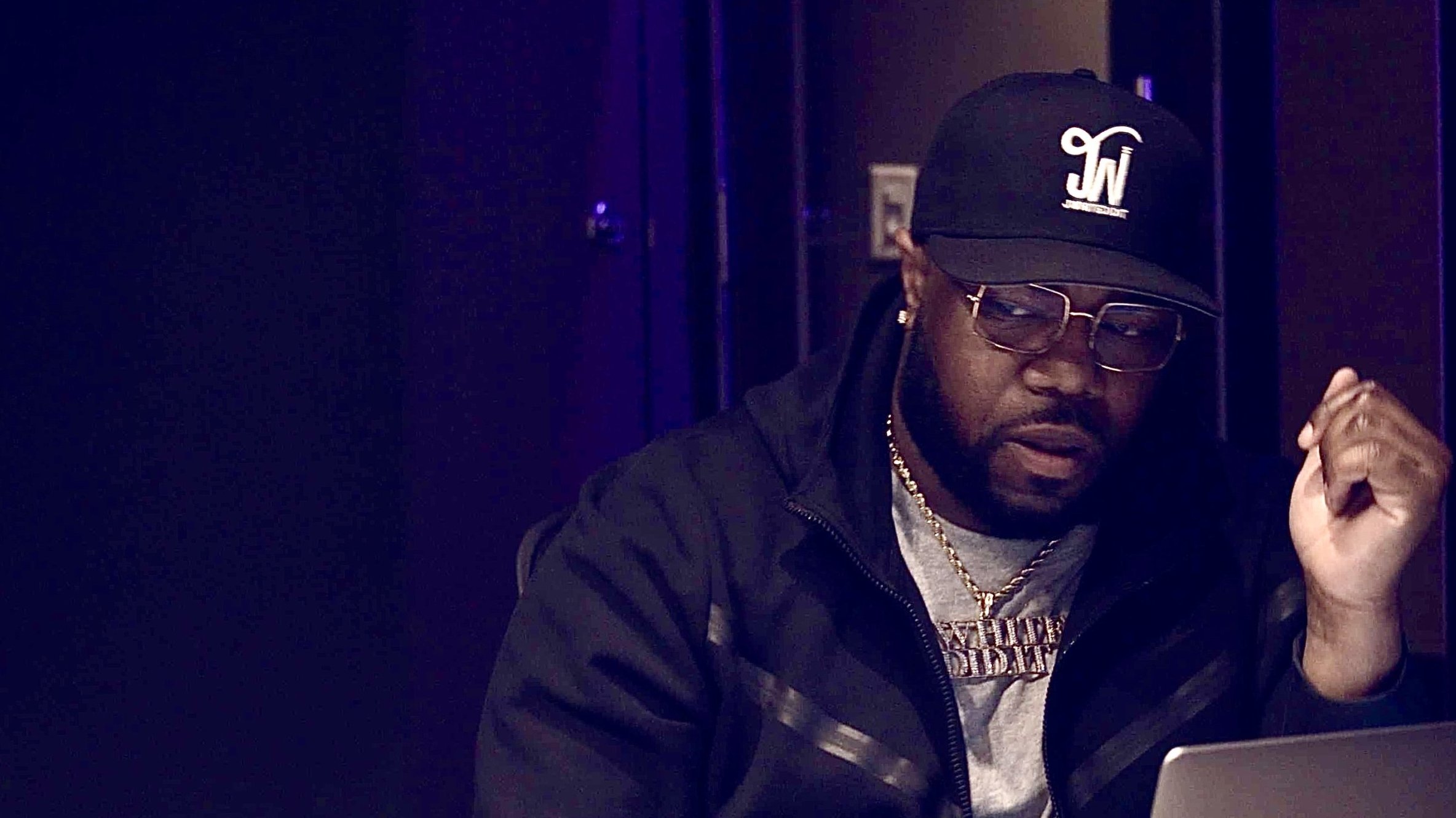
J. White Did It is an Atlanta-based producer-writer best known for producing and co-writing Cardi B's "Bodak Yellow" and "I Like It," plus extensive work with Megan Thee Stallion. His Drake credit on "God's Plan" — the 2018 lead single from Scorpion that spent multiple weeks at No. 1 on the Billboard Hot 100 and won the Grammy for Best Rap Song — placed him on one of the highest-charting records in the entire Drake catalog. The track's simple piano motif and rolling 808 pattern is one of the most identifiable beats of Drake's late-2010s run, and the co-writing credit reflects the way the composition (chord changes, melodic loop, drum pattern) is filed alongside the lyric in modern rap publishing splits. Outside the "God's Plan" placement his broader career has been anchored by his Cardi B catalog and Megan Thee Stallion singles. The "God's Plan" credit alone ranks him among the writers responsible for a Drake record that hit No. 1 — a rare distinction even among the highest-tier OVO co-writers, and one that places him alongside a small group of single-credit writers whose footprint on the catalog is concentrated but historically significant.