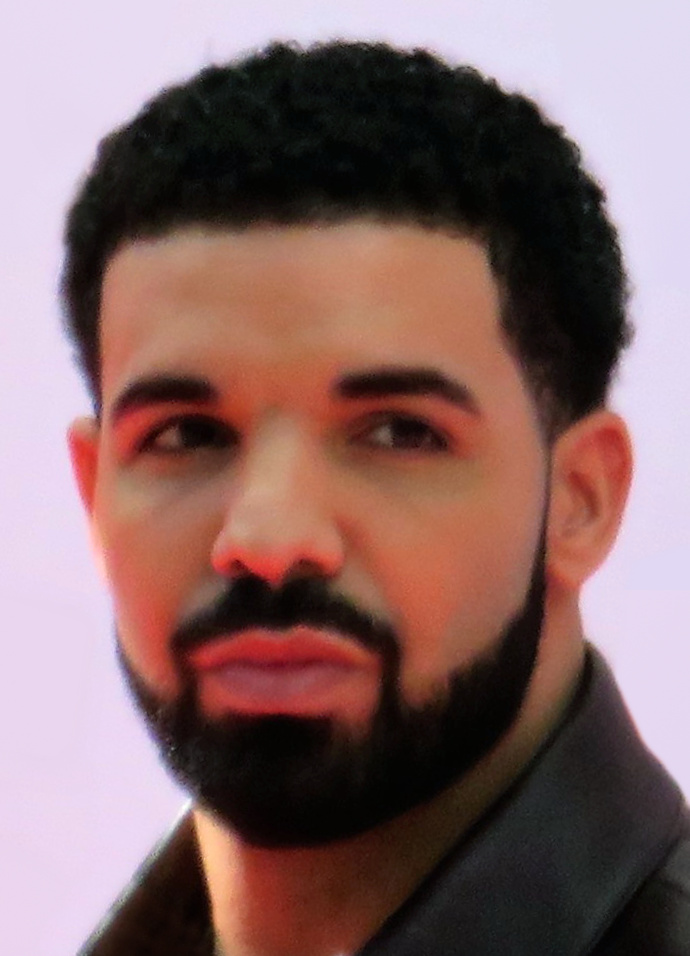
Dated events from the 2015 Meek Mill and Quentin Miller cycle through the 2018 Pusha T exchange and the 2024 Kendrick Lamar discourse, with Drake's on-record responses included alongside the allegations.
2015-07-21 · Meek Mill tweets accuse Drake of not writing his raps
Hours after the release of Meek Mill's Dreams Worth More Than Money, Meek posted a series of tweets alleging that Drake's verse on 'R.I.C.O.' was not written by Drake. The tweets did not name a specific writer but framed the issue as ghostwriting in commercial rap.
Source: Complex: Drake and Meek Mill timeline
2015-07-22 · Funk Flex plays alleged Quentin Miller reference tracks on Hot 97
Hot 97 DJ Funkmaster Flex began airing audio files presented on the broadcast as reference tracks from Quentin Miller for Drake songs. Coverage at the time described them as guide vocals; their provenance and exact use have been characterized by Miller and OVO as co-writing material rather than ghostwritten verses.
Source: Complex: Quentin Miller and the Drake reference-track dispute
2015-07-25 · Drake premieres 'Charged Up' on OVO Sound Radio
Drake released 'Charged Up' through Apple's Beats 1 OVO Sound Radio show as his first on-record response. Reporting framed the track as measured rather than aggressive, with brief allusions to the writing-credit debate.
Source: Pitchfork: Drake's 'Charged Up' debuts
2015-07-29 · Drake releases 'Back to Back' on OVO Sound Radio
Drake's 'Back to Back' premiered on OVO Sound Radio four days after 'Charged Up.' Pitchfork's report described the track as a more direct response that returned to the ghostwriting accusation without naming Miller.
Source: Pitchfork: Drake's 'Back to Back' diss arrives
2015-07-30 · Pitchfork reports on 'Back to Back' release
Pitchfork's day-after report dated the release and outlined the back-and-forth chronology between Meek Mill's tweets, the Hot 97 broadcasts, and Drake's two OVO Sound Radio premieres.
Source: Pitchfork: Drake's 'Back to Back' diss arrives
2015-08-01 · Meek Mill releases 'Wanna Know'
Meek Mill released 'Wanna Know' as his on-record response, including a Quentin Miller reference-track sample. The track was widely framed in reporting as a panned response that did not shift the narrative back toward Meek.
Source: Complex: Drake and Meek Mill timeline
2015-08-04 · OVO Fest performance uses meme screens mocking Meek Mill
At the 2015 OVO Fest in Toronto, Drake performed in front of giant LED screens displaying viral memes about Meek Mill. Pitchfork's coverage dated the performance and described the visuals as a public victory-lap moment in the exchange.
Source: Pitchfork: Drake mocks Meek Mill at OVO Fest with memes
2015-09-01 · Hot 97 airs alleged '10 Bands' reference track
Funkmaster Flex continued to broadcast audio framed as Quentin Miller reference material, including a session reading attributed to the If You're Reading This It's Too Late track '10 Bands.' Complex's timeline characterized the broadcasts as the second wave of reference-track airings.
Source: Complex: Quentin Miller and the Drake reference-track dispute
2015-09-08 · Quentin Miller publishes Tumblr letter on co-writing framing
Quentin Miller posted a statement on Tumblr addressing the controversy, accepting the framing that he had co-written with Drake while disputing the 'ghostwriter' label. Complex and other outlets reported on the post and quoted it briefly.
Source: Complex: Quentin Miller and the Drake reference-track dispute
2016-02-15 · 'Back to Back' nominated for Grammy Best Rap Performance
At the 58th Annual Grammy Awards, 'Back to Back' was nominated for Best Rap Performance. Coverage of the ceremony noted that a diss track receiving a Grammy nomination was unusual and amplified the song's mainstream reception relative to the writing-credit context.
Source: GRAMMY.com: 'Back to Back' Best Rap Performance nomination
2016-05-13 · Pusha T's 'H.G.T.V. Freestyle' returns to ghostwriting framing
Pusha T released 'H.G.T.V. Freestyle' on DJ Khaled's We the Best Radio, with bars widely interpreted as revisiting the ghostwriting accusation against Drake. Reporting framed the freestyle as a continuation of earlier subliminals rather than a new disclosure.
Source: Complex: A History of Pusha T and Drake's Beef
2018-05-25 · Pusha T's 'Infrared' revisits ghostwriting on DAYTONA
Pusha T's 'Infrared,' the closing track on DAYTONA, returned to the writing-credit theme. Pitchfork's review of the album described the song as the most direct return to the 2015 narrative since Miller's letter.
Source: Pitchfork: Pusha T 'Daytona' album review
2018-05-26 · Drake releases 'Duppy Freestyle' in response
Drake released 'Duppy Freestyle' a day after DAYTONA, with bars widely read as turning the writing-credit allegation toward Pusha T's own collaborators. Pitchfork's report covered the release and the invoice claim Drake posted afterward.
Source: Pitchfork: Drake 'Duppy Freestyle' premiere
2018-09-09 · Drake and Meek Mill reconcile on stage in Boston
On the Aubrey & The Three Migos Tour, Drake brought Meek Mill out at TD Garden in Boston for a joint performance, in what Rolling Stone reported as a public reconciliation. The appearance closed the public phase of the 2015 exchange between them.
Source: Rolling Stone: Drake brings out Meek Mill in Boston
2018-10-16 · Drake addresses the era on HBO's 'The Shop'
Drake appeared on HBO's 'The Shop' and discussed the 2018 Pusha T exchange, including how the writing-credit framing had evolved from the 2015 cycle. Drake characterized the OVO process as collaborative rather than ghostwritten, in his own narrowly quoted phrasing.
Source: HBO 'The Shop' featuring Drake on Pusha T fallout
2019-03-01 · Quentin Miller continues releasing solo work
Quentin Miller continued to release solo material and EPs through independent channels in the years after the 2015 cycle, with his catalog and credits visible on streaming services. Complex's profile tracked his transition from the reference-track narrative to a working solo career.
Source: Complex: Quentin Miller and the Drake reference-track dispute
2024-03-22 · Kendrick Lamar's 'Like That' references the ghostwriting framing
Kendrick Lamar's verse on Future and Metro Boomin's 'Like That' rejected the 'big three' framing and included lines that listeners and Pitchfork's coverage read as gesturing back at the writing-credit discourse around Drake.
Source: Pitchfork: Kendrick Lamar's 'Like That' verse
2024-05-03 · Drake's 'Family Matters' addresses writer claims
Drake released 'Family Matters' in three videos. Pitchfork's report covered the release and noted bars about who writes for whom, framed inside the broader Kendrick exchange rather than the 2015 cycle directly.
Source: Pitchfork: Drake releases 'Family Matters'
2024-05-04 · Kendrick Lamar's 'Not Like Us' returns to writer-credit framing
Kendrick Lamar's 'Not Like Us' included bars widely interpreted as revisiting the ghostwriting framing as part of a broader rhetorical attack. Pitchfork's coverage framed the references as song-level claims rather than verified facts.
Source: Pitchfork: Kendrick Lamar releases 'Not Like Us'
2024-05-05 · Drake's 'The Heart Part 6' reframes the writer narrative
Drake's 'The Heart Part 6' included a planted-information framing and addressed multiple of Kendrick's claims. Pitchfork's report dated the release and summarized the back-and-forth across the May 2024 cycle.
Source: Pitchfork: Drake releases 'The Heart Part 6'
2024-05-13 · Coverage links Drake's response cycle to the 2015 era
Billboard's chart-week coverage of 'Not Like Us' debuting at No. 1 on the Hot 100 included context paragraphs connecting the 2024 exchange to the 2015 Meek Mill cycle and the writing-credit discourse that originated there.
Source: Billboard: 'Not Like Us' debuts at No. 1 on the Hot 100
2026-05-15 · Current public framing of the era
As of the 2026 ICEMAN cycle, Drake's public framing of the OVO writing process in interviews and on 'The Shop' has continued to emphasize collaboration over single-author authorship. Quentin Miller's solo catalog remains active across streaming services with his songwriting credits on Drake records visible in metadata.
Source: Complex: Quentin Miller and the Drake reference-track dispute